There’s a moment in nearly every hospitality project where the work shifts.
Not from concept to design development—that part is energizing. Not from presentation to approval—that part is rewarding. The shift happens later, when creativity is no longer the primary focus and the details start demanding the most attention.
The inbox fills up. Timelines tighten. Install day looms.
And suddenly, you’re not spending your time defining unique spaces—you’re tracking shipments, double-checking specs, and trying to get answers from vendors who should already be on top of it.
If this sounds familiar, you’re not alone.
The part no one warns you about—
Hospitality design is full of moving pieces. You expect complexity. You plan for it. You build contingencies into schedules and budgets because you know what’s at stake.
But what catches many designers off guard isn’t the big stuff.
It’s the “small” things that should be simple—yet somehow become the most stressful parts of the project.
Art that arrives late.
Mirrors that show up in the wrong finish.
Frames that don’t match the approved sample.
Crates that arrive damaged.
Silence when you need a quick answer.
None of these issues are design problems. They’re execution problems. But they land squarely on the designer’s plate.
And your plate is already full.
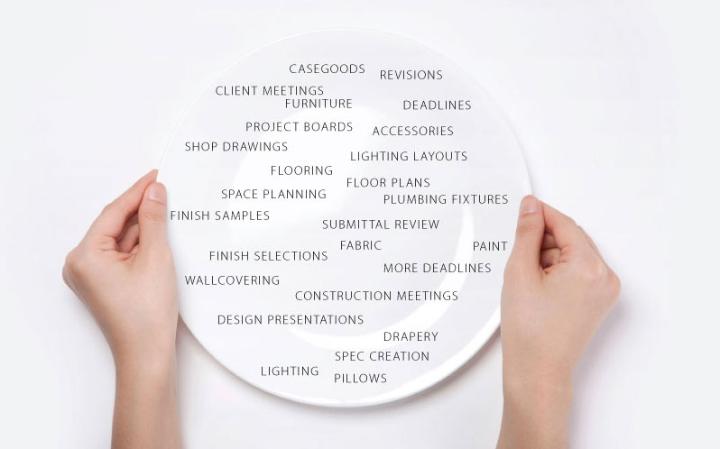
Why art and mirrors carry more weight than people realize
Art and mirrors can get treated like “the final layer”—the finishing touches that happen once everything else is solved.
But designers know the truth: these pieces are rarely optional, and they’re never insignificant.
Art sets tone.
It creates mood.
It reinforces the story of the space.
Mirrors shape light.
They add depth.
They elevate the experience.
These elements are often what guests remember—even if they can’t explain why.
They’re the difference between a room that looks complete…and a room that feels complete.
So when those details are off, the entire space feels off.
The real cost of vendor chaos
When sourcing partners fall short, the impact goes far beyond inconvenience.
It costs time—hours spent following up, troubleshooting, and re-confirming what was already approved.
It costs energy—mental bandwidth that should be reserved for creative problem-solving.
It costs confidence—because the designer is the one who feels responsible when something isn’t right.
And in hospitality, where schedules are tight and openings are non-negotiable, “close enough” isn’t a luxury anyone can afford.
Designers don’t just need products. They need peace of mind.
What designers actually need from a partner
The best vendor relationships don’t feel like vendor relationships at all.
They feel like support.
They feel like clarity.
They feel like someone else is paying attention—so you don’t have to carry every detail alone.
Here’s what that looks like in real life:
1) Clear Communication
No disappearing. No guessing. No wondering where things stand.
Just consistent updates and fast answers when it matters most.
2) Quality You Can Trust
Not just “it fits,” but it elevates the space—because the finish, scale, and craftsmanship actually match the vision.
3) Reliability From Production to Install
Install day shouldn’t come with anxiety. The goal is simple: the right items, in the right condition, at the right time.
4) A Process That Supports Creativity
A good partner protects the design intent. A great partner makes it easier to bring it to life.
A better way forward
Designers shouldn’t have to fight for the pieces they’ve thoughtfully selected. They shouldn’t have to chase down answers. And they shouldn’t have to sacrifice creative energy for vendor management.
Because at the end of the day, your work isn’t measured by how many follow-ups you sent.
It’s measured by how the space feels.
It’s measured by the experience guests carry with them.
And it’s measured by the confidence you have walking into install day knowing the details are handled.
That’s the standard designers deserve.
Your plate is full. Let us help.